

Mission
Bad Grass Farm’s mission is to have fun while providing high-quality, flavorful, nutrient-dense, responsibly grown Italian specialty vegetables. We are committed to making a positive impact on local biodiversity and on soil, water, and air quality through ecological growing practices. Our farm will be welcoming to all and foster a mindset of compassionate curiosity.
Our Story
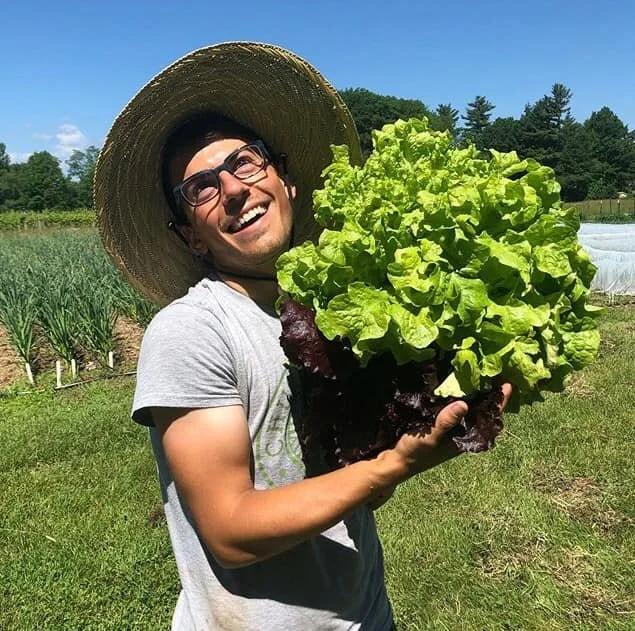
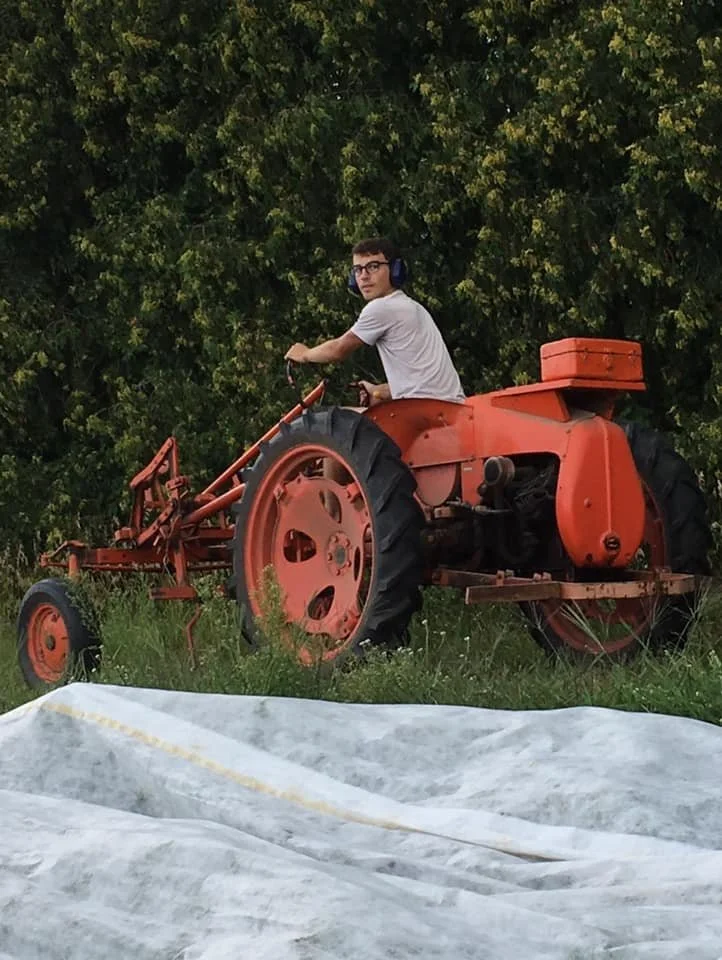
Bad Grass Farm was founded by Eric Gratta (me!) in 2026. I’m a Long Island native from a Sicilian-Italian family with a love of food and gardening. Prior to settling down in the Hudson Valley, I worked on vegetable farms in Pennsylvania, Wisconsin, Vermont, and Long Island.
I was so lucky to be welcomed onto that first farm just outside of Pittsburgh, PA as a nerd from a suburb with no growing experience. My hope with this farm is to welcome other future farmers to join the fun - reach out and schedule a visit!
Prior to farming I spent many years as a software engineer working in healthcare, agriculture, and local government. I currently build software tools for small, sustainable farms. Please reach out if you’d like to collaborate!
Growing Philosophy
Healthy soils make healthy plants. The ecological health of the soil is the most important factor in growing delicious, nutritious vegetables. I believe that any kind of insecticides disrupt the life in the soil that my plants depend on. Even farms that are certified organic still apply significant amounts of organic-allowed insecticides that are not directly harmful to humans but disruptive to the ecological health of the land.
Let’s say that an organic-approved insecticide such as Bt is targeted to kill a specific insect pest, is generally non-toxic to humans, and is short-lived in the soil. Even in that most benign scenario, the insect I am killing would have been food for birds, spiders, other predatory insects, all of whom provide many other functions on the farm. Taking that food source away leaves those other populations more vulnerable to stress. I likely am not aware of what other roles the pest insect was playing in the broader ecosystem. My approach to pests is to make sure the plant’s defenses are bolstered by optimal soil nutrition, use physical barriers when possible, and let the spiders handle the rest.
Similarly, I could aggressively cultivate the weeds in my pathways, but the weeds are helping me cover up exposed soil to protect it from erosion as well as prevent direct compaction from my stomping feet. Living plants in the pathways act as hosts for beneficial insects and worms while the young plants in my beds are still getting established. I do not know the full extent of what roles those plants are playing in the broader ecosystem.
We should all revere the interconnections of living things and humbly admit that we cannot understand the full effect of our interventions. To that end, I never apply any pesticides or herbicides - even those that are approved under organic standards.
Our farm strives to follow regenerative growing practices - that is, prioritize building healthy soils. Some of the ways I do this are using cover crops, avoiding tillage unless to incorporate organic matter, maintaining pathways with living mulch, and using dense plant spacings to avoid exposed soil. I did not pursue organic certification for this first year, but I operate with the certification standards front of mind and intend to pursue it in an upcoming season.
What is “bad grass”?
There is an Italian proverb that goes:
l’erba cattiva non muore mai
This transliterates to “the bad grass never dies” or “weeds never die”. The message is that one can never farm without weeds, nor live without struggle.
Beyond a play on words, the name “Bad Grass Farm” pledges resilience. There are many challenges facing small farms these days and we are committed to building systems, relationships, and community that can weather them.